

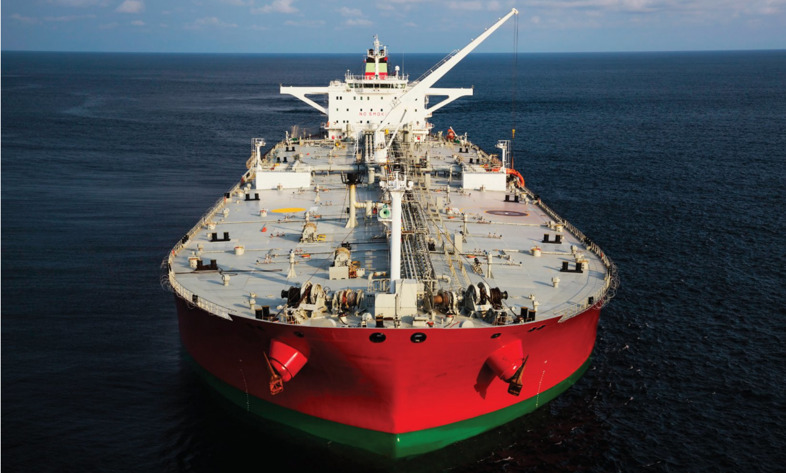
2024 Summary:
2024 was a year marked by continued instability in Ukraine and the Middle East, which only escalated as the months went by. Amid rising concerns over a global economic slowdown, the year saw the first interest-rate cuts since the pandemic. The year ended with Trump's re-election, which sparked rallies in the stock, dollar, and oil markets, as investors anticipated his pro-business policies.
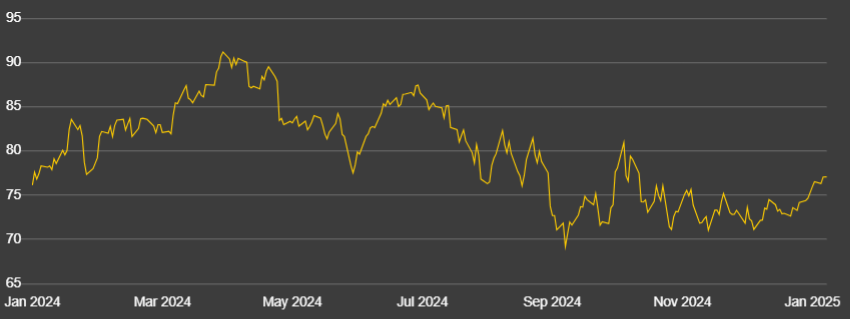
Crude Oil Market in 2024
Heating Oil Market and Price changes:
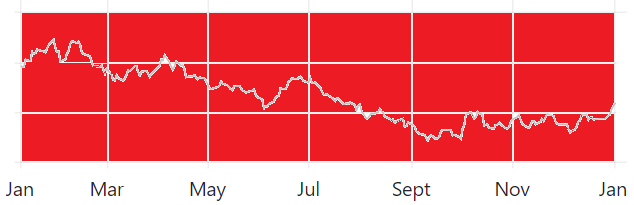
By Quarter:
Q1:
The year began with Houthi rebels in Yemen continuing to attack ships in the Red Sea and Gulf of Aden, causing supply disruptions. This led to rerouted products around the Cape of Good Hope in South Africa, impacting oil prices. Weaker crude prices prompted OPEC+ to extend voluntary production cuts until the end of Q2. At the same time, European refineries underwent maintenance, and Russian refineries faced Ukrainian drone attacks.
Q2:
Ukraine's ongoing attacks on Russian oil refineries made headlines in Q2, with the Tuaspe refinery, processing 240,000 bpd, hit on May 17th. In total, Ukraine targeted 12 refineries and storage areas in May, though most remained partially operational. Despite European and US refineries undergoing maintenance and Russian refinery outages, oil prices remained low due to weak demand and supply. Diesel barges began trading at discounts to front-month futures as early as April 4th, with ICE Gasoil flipping to contango on April 17th. In June, OPEC extended its voluntary production cuts for another quarter, while involuntary cuts were extended until the end of 2025.
Q3:
Fears of a global economic slowdown dominated Q3, with growing expectations for lower interest rates. In July, Chinese GDP growth was lower than expected, raising concerns about global oil demand. August brought weak US payroll data, and the largest downward revisions to historic data in 15 years. By September, the Federal Reserve cut interest rates by 0.5%, signalling a shift. Meanwhile, OPEC extended production cuts through October and December. Libya imposed an oil export ban due to a dispute between rival governments. Tensions in the Middle East rose as Israel attacked Hezbollah’s communication devices and assassinated its leader in Lebanon in September.
Q4:
Q4 began with escalating tensions in the Middle East, as Iran launched large air strikes on Israel, with a limited Israeli response. OPEC extended production cuts through December, then pushed them into Q1 2025, with gradual reductions planned through September 2026. In October, Libya reopened its oilfields. The big news in Q4 was the re-election of Donald Trump as US president, sparking a rally in stocks, the dollar, and oil markets, fuelled by expectations of his pro-business policies. Ukraine also used US long-range missiles against Russia for the first time. The Fed made its final interest rate cut of the year, signalling fewer cuts in 2025 than previously expected.
This was a year full of geopolitical tensions, economic shifts, and market reactions that shaped the oil, fuel, energy and currency markets across the globe! What might 2025 hold?
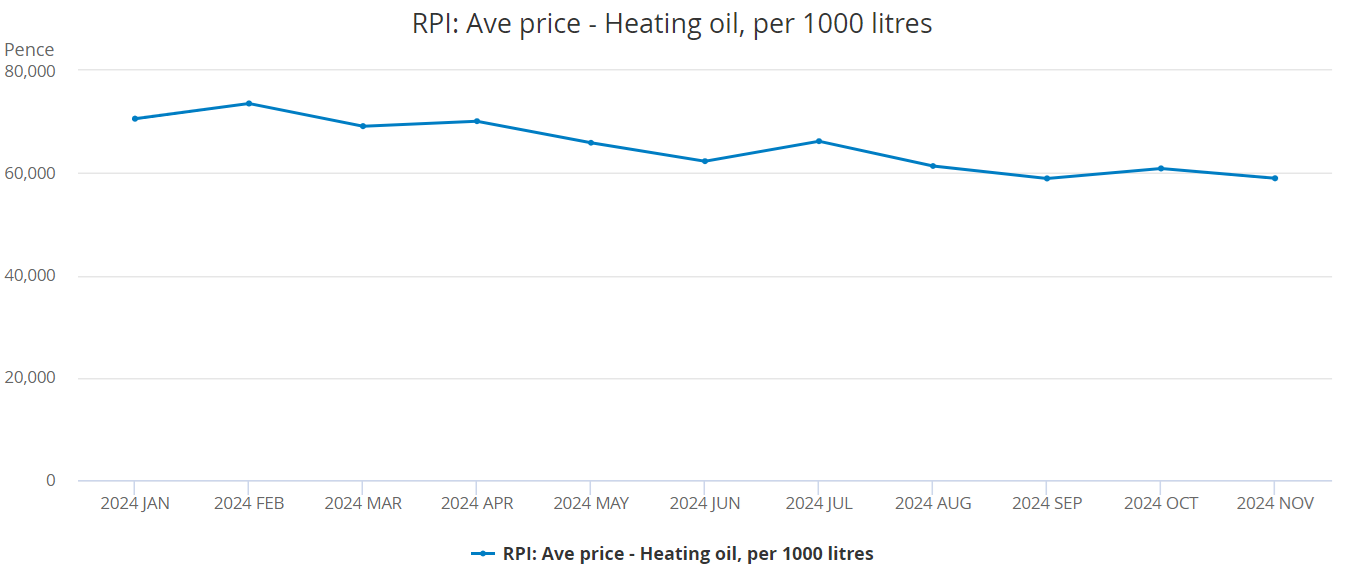
The Office for National Statistics record the price of heating oil and publish monthly updates on the average delivered cost of a domestic delivery of 1000 litres of kerosene in the UK . The information held by the ONS is freely available online and can be found here: ONS Price of heating oil
Sources:
Brent & WTI Oil Futures Updates - BBC News
Is the economy facing another energy price shock? - BBC News
Will global energy prices fall this year? - BBC News
How worried should I be about rising oil prices? - BBC News
World Bank warns oil prices could reach $150 a barrel - BBC News – Oct 2023 article